


Slide
Reliable Test
&
Tagging Services
Trusted experts in electrical services and testing, proudly serving Tasmania and nationwide.

Quality
Assurance

About us

Your Trusted Electrical
Services Partner

Evovolt Tasmania Pty Ltd offers reliable test and tagging services and comprehensive electrical solutions across Australia, with a strong focus on Tasmania’s unique needs.

Quality Assurance guaranteed!

100+

Trusted by Clients

Services

Reliable Electrical

Services

Expert test and tagging services across Australia, proudly based in Tasmania.

Get a Quote

Stay safe, stay compliant – partner with Evovolt’s expert test and tagging services

Blogs

Latest Safety Tips and Updates
News

Portable Appliance Testing (PAT), more commonly known as Test & Tag, is
Residual Current Devices (RCDs), also known as safety switches, are life
Fire extinguishers are often the first and most effective response in the

Subscribe to Newsletter

Subscribe today for safety updates, compliance news, and expert test tagging tips.

Scroll to Top

Portable Appliance Testing (Test & Tagging)

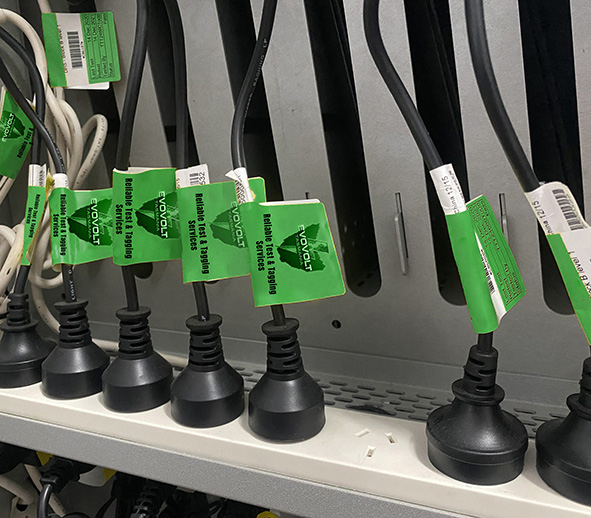
Portable Appliance Testing (PAT), commonly known in Australia as Test and Tagging, is the systematic process of inspecting and testing portable electrical equipment to ensure it is safe to use.
A portable appliance is generally defined as any electrical device that can be easily moved from one location to another and is connected to the power supply via a flexible cord or plug.

Why is Test & Tagging Important?

  1. Protects against electric shocks and electrocution.
  2. Reduces risk of electrical fires from faulty devices.
  3. Minimises downtime caused by unexpected failures.
  4. Extends the lifespan of electrical appliances.

The Testing Process:

  1.  Visual Inspection – Check for visible damage (frayed cords, cracked plugs, overheating).
  2.  Electrical Testing – Using a Portable Appliance Tester (PAT device) to detect hidden faults.
  3. Tagging – Each appliance is tagged with test results, date, and next due test.
  4.  Record Keeping – Detailed logs for compliance and auditing.

Testing Frequency:

  • – Construction sites: every 3 months.
    – Factories/workshops: every 6 months.
    – Offices/low-risk areas: every 12 months to 5 years (depending on equipment).

Compliance: Testing is conducted in line with AS/NZS 3760:2022 Australian Standards.

RCD (Residual Current Device) Testing

Residual Current Device (RCD) Testing ensures safety switches operate correctly to prevent electrocution. RCDs monitor electrical flow and disconnect power if leakage is detected, typically within 30 milliseconds.

Why RCD Testing is Important:

  1. Protects lives by preventing electric shocks.
  2. Prevents electrical fires caused by undetected faults.
  3. Ensures compliance with workplace health and safety laws.

Process:

  1. Visual inspection for correct installation and labeling.
  2. Push button test to ensure device trips.
  3.  Trip time test with an RCD tester.
  4.  Reset and record results for compliance.

Benefits:

  • – Life-saving protection.
    – Fire prevention.
    – Legal compliance and reduced liability.

Fire Extinguisher Testing

Fire extinguishers are the first line of defence against fire, but only if maintained correctly. Testing ensures they work during an emergency.

Standards: Conducted under AS1851:2012 – Routine service of fire protection systems.

Process:

  1. Visual Inspection – Check for damage, corrosion, leaks, accessibility, and correct signage.
  2. Pressure & Integrity Checks – Verify gauges, seals, and hoses.
  3. Weighing & Recharging – Ensure correct extinguishing agent levels.
  4. Tagging & Reporting – Service tags attached, compliance report issued.

Frequency:

  • – Every 6 months inspection.
    – Every 5 years hydrostatic pressure testing or replacement.

Benefits:

  • – Ensures compliance and safety.
    – Provides peace of mind and early fire suppression.
    – Protects property, staff, and reduces liability.

Emergency Exit Light Testing

Emergency exit lights guide occupants safely during blackouts, fires, or power failures. They are powered by mains electricity with a battery backup for emergencies.

Standard: Must comply with AS 2293 – Emergency Escape Lighting and Exit Signs for Buildings.

Process:

  1. Normal operation check – Ensure LED lights function on mains power.
  2. Battery backup test – Simulate power failure to ensure battery takes over.
  3. Placement & signage inspection – Confirm lights are visible and correctly positioned.
  4. Reporting – Record compliance and schedule future tests.

Testing Frequency:

  • – Every 6 months – simulate power failure test.
    – Regular inspections as per safety regulations.

Benefits:

  • – Life-saving guidance during emergencies.
    – Compliance with building safety laws.
    – Reduces panic and ensures safer evacuations.

Fire Blanket Testing

Fire blankets are vital for smothering small fires, especially in kitchens and workshops. Regular testing ensures they are accessible and effective.

Standard: Tested every 6 months under AS1851:2012.

Process:

  1. Visual inspection – Check signage, accessibility, and placement.
  2. Condition check – Ensure blanket and container are intact.
  3. Compliance check – Verify blanket size/type suits its location.
  4. Reporting – Record location, pass/fail status, and corrective actions.

Importance:

  • – Provides immediate fire suppression.
    – Ensures compliance with safety standards.
    – Offers peace of mind and reduces fire risks.

Microwave Leakage Testing

Microwave leakage testing ensures microwaves are not emitting unsafe levels of radiation, which can increase over time due to wear and tear.

Standard: AS/NZS 60335.2.25:2020. Must be completed every 12 months.

Process:

  1. Visual Inspection – Check seals, doors, casing, and safety interlocks.
  2. Radiation Test – Measure leakage levels using specialised equipment.
  3. Reporting – Document results, provide compliance certificate, and schedule next test.

Benefits:

  • – Protects against harmful radiation exposure.
    – Ensures compliance with Australian Standards.
    – Extends equipment lifespan and prevents unsafe operation.

Residential Smoke Detector Testing

Smoke detectors provide early warning of fire, giving occupants time to escape. They must be regularly tested and maintained to remain effective.

Types:

  • – Ionisation alarms – detect fast flaming fires.
    – Photoelectric alarms – detect smouldering fires; recommended in most cases.

Process:

  1. Visual Inspection – Confirm correct placement and compliance.
  2. Battery & Power Check – Ensure proper operation of battery or mains power.
  3. Functional Testing – Simulate smoke to ensure alarm activation.
  4. Reporting – Record compliance for landlords and property managers.

Frequency:

  • – Test every 6–12 months depending on state legislation.
    – Replace batteries annually unless fitted with 10-year lithium batteries.
    – Replace entire unit every 10 years.

Importance:

  • – Saves lives by providing early warnings.
    – Ensures legal compliance for landlords and property managers.
    – Reduces fire damage risk and liability.